Common Problems in Speech Therapy
Our professional speech therapists provide personalised treatment plans for individuals with language, voice, speech, communication, literacy, or swallowing difficulties.
Developmental Language Disorder
Challenges in expressive language abilities, with limited vocabulary or difficulty forming sentences.
Characteristics:
- Difficulty understanding others' speech or instructions
- Frequently deviates from the topic when answering questions in conversation
- Delayed language expression abilities, with a limited vocabulary used
Dyslexia
Dyslexia is a common ldisorganisediculty, unrelated to intelligence, caused by neurological differences. It affects reading, spelling, and writing skills, but with early identification and support, children can improve learning outcomes and confidence.
Characteristics:
- Writing Difficulties: frequent errors, omissions, or mirror writing.
- Memory Challenges: struggle to retain learned words.
- Reading Issues: difficulty grasping main ideas.
- Expression Problems: disorganised writing, frequent mistakes, and fatigue.
Through professional dyslexia assessment, parents can identify learning difficulties early, and with targeted training, children improve their abilities and regain confidence in learning.
Speech Sound Disorder
Commonly known as unclear speech, it may stem from issues with oral muscles, structural abnormalities, delayed speech sound mastery, or hearing impairments.
Characteristics:
- Unclear pronunciation, affecting communication effectiveness
- May be accompanied by oral structural abnormalities, such as misaligned teeth or limited tongue movement
- Hearing impairments may result in an inability to correctly imitate speech sounds
Fluency Disorder
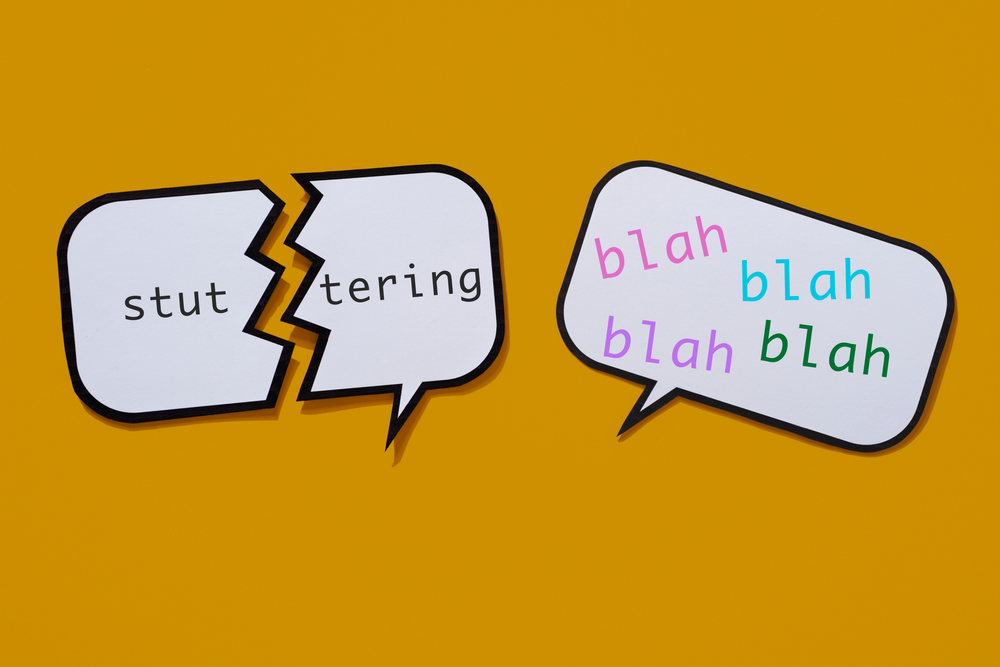
Commonly known as stuttering, it involves repeating words, prolonging sounds, or interruptions while speaking, requiring effort to continue.
Characteristics:
- Involuntary pauses or repetitions during speech
- Feelings of tension or anxiety while speaking, which may affect social interactions
- Fluency issues may vary depending on the situation, often becoming more pronounced under stress
Voice Disorder
Symptoms include hoarseness, pitch issues, loss of voice, vocal fatigue, insufficient breath support, and difficulties in singing.
Characteristics:
- Voice becomes hoarse or unable to produce sound
- Unstable pitch, which may affect speaking or singing performance
- Overuse or injury of the vocal cords may lead to vocal fatigue
Hearing Impairment
Can be caused by congenital or acquired factors, affecting the ability to receive sound, which in turn impacts language, pronunciation, and voice quality.
Characteristics:
- Difficulty listening to or understanding language, affecting learning and social skills
- May be accompanied by other communication disorders, such as unclear pronunciation
- The severity of hearing impairment varies, ranging from mild to profound
Neurogenic Communication Disorder
Resulting from neurological conditions or brain injury (e.g., stroke, traumatic brain injury)
Characteristics:
- Difficulty following instructions or responding correctly in conversation
- May exhibit disfluent speech or disorganized language
- Affects the ability to communicate with others in daily life