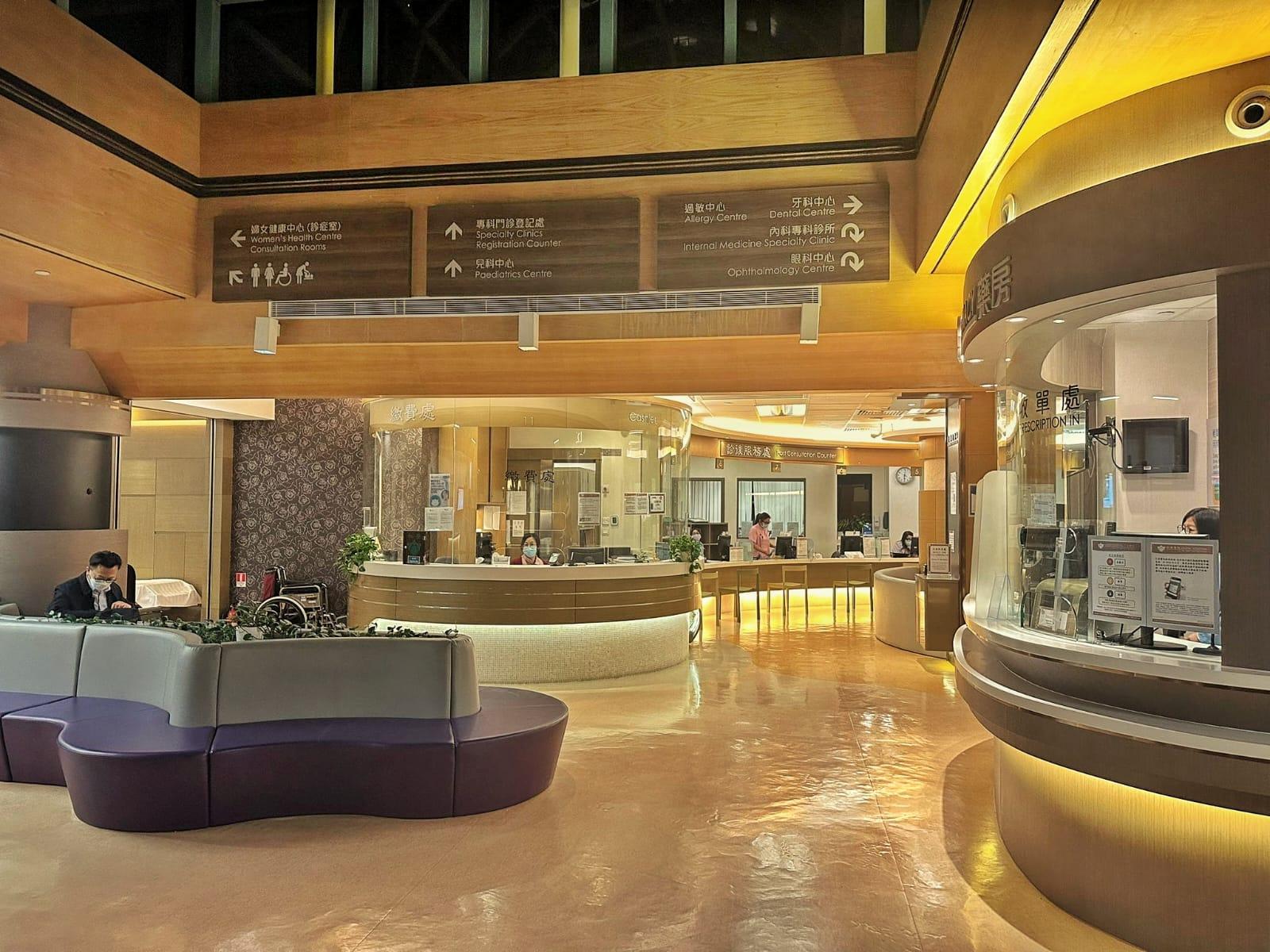
Paediatric Rheumatology diagnoses and treats autoimmune diseases, chronic inflammation, immune dysfunction, and joint pain in children and teens. Beyond causing joint pain, swelling, and stiffness, these conditions can affect the skin, eyes, blood vessels, and internal organs. Watch for warning signs like persistent fevers, unexplained rashes, or chronic inflammation.
Through early specialist assessment and testing, we create personalised treatment plans to control inflammation, relieve symptoms, and ensure your child safely maintains their normal daily learning, activities, and development.
Juvenile Idiopathic Arthritis
Long-term joint inflammation causing pain, swelling and stiffness, often worse in the morning
Juvenile Ankylosing Spondylitis
Inflammatory condition affecting the spine and lower limbs, causing persistent back, buttock or heel pain.
Psoriatic Arthritis
Immune-related disease affecting both skin and joints, causing psoriasis, swelling and joint pain.
Systemic Lupus Erythematosus
Autoimmune disease affecting multiple organs, requiring early diagnosis and monitoring to prevent complications.
Parents are advised to consult a paediatric rheumatologist if their child has any of the following signs or concerns:
Early assessment can help identify the cause of inflammation or immune abnormalities and allow timely treatment.
A: Not necessarily. Joint pain in children may be related to sports injury, growing pains, infection, posture or other causes. However, if joint pain persists or recurs, or is accompanied by joint swelling, morning stiffness, fever, rash, limping or restricted movement, specialist assessment is recommended.
A: If a child experiences joint stiffness in the morning that improves after activity, or if stiffness is accompanied by joint swelling, pain or limping, it may be related to inflammatory joint disease. Consultation with a paediatric rheumatologist is recommended.
A: Common symptoms include recurrent lower back pain, buttock pain, morning stiffness, hip or knee pain, heel pain and reduced activity level. Some symptoms may be mistaken for sports injury. If the pain persists or recurs, further assessment is recommended.
A: Systemic lupus erythematosus can affect multiple body systems, including the skin, joints, blood, kidneys, nervous system and other organs. Common signs include skin rash, joint pain, recurrent fever, tiredness, mouth ulcers, sensitivity to sunlight or abnormal urine results. Specialist diagnosis and long-term follow-up are required.
A: Common investigations include blood tests, inflammatory markers, autoimmune antibody tests, urine tests, kidney function assessment, and imaging examinations of the joints or related areas. The doctor will arrange suitable investigations according to the child’s symptoms and clinical needs.
A: If inflammation is not well controlled, it may affect a child’s mobility, schooling, exercise and quality of life. With appropriate treatment, regular follow-up and lifestyle advice, many children can maintain normal learning and daily activities. Whether a child is suitable for exercise depends on the doctor’s assessment and the child’s condition.
Pediatric rheumatic and immunological diseases require careful diagnosis and continuous management. Please feel free to reach out to our professional medical team for any inquiries.
2/F, Medical Centre, Union Hospital, 18 Fu Kin Street, Tai Wai, New Territories
Service Hours:
Monday to Saturday: 9:00 - 18:00
Sunday and Public Holiday: Closed