Robotic-Arm Assisted Joint Replacement Surgery

Robotic-Arm Assisted Joint Replacement Surgery

Millimeter-level Precision, Faster Recovery

Robotic-arm assisted joint replacement surgery combines the expertise of our orthopaedic surgeons with the precision and stability of robotic technology. The system consists of multiple robotic arms and specialized surgical instruments. With the assistance of the robotic arm, our surgeons are able to perform more precise surgical procedures, improving the accuracy and consistency of the procedure, hence reducing post-operative pain and length of stay at hospital after surgery.
 

Highlights
  • Personalised Surgical Planning: Before the surgery, we use the 3D CT scanning to create a detailed model of the patient’s joint anatomy. This allows our surgeons to precisely evaluate the joint condition and determine the optimal size and placement of the prosthetic joint, enabling them to develop a personalised surgical plan to minimise errors and the risk of revision surgery.

3D CT Scan Image

360° Skeletal 3D Image

  • Millimeter-Precise Surgery: The robotic arm is equipped with haptic technology that ensure cutting accuracy within 2 millimeters, reducing damage to the surrounding soft tissues.
     
  • Real-time Tracking and Monitoring: The system continuously monitors the position and tension of the prosthetic joint and surrounding ligaments during the surgery. It makes adjustments immediately following the surgical planning as needed to ensure the accuracy of implant placement.
Comparison of Joint Replacement Surgical Approaches
 Traditional SurgeryComputer-Assisted SurgeryRobotic-Arm Assisted Surgery
Pre-Operative Imaging2D X-rays2D X-rays3D CT scanning
Pre-Operative 3D Skeletal Modeling for Surgical Planning
Osteotomy MethodManual, relying on surgeon's experienceComputer-navigated, but still manualRobotic-assisted, real-time tracking
Haptic Boundary Technology (stops cutting if deviation exceeds 2mm)
Osteotomy and Implant Placement AccuracyLowerModerately improvedSignificantly improved
Soft Tissue TraumaHigherModerateLower
Hospital StayLongerLongShorter
Recovery TimeLongerLongShorter
Postoperative SatisfactionImprovedModerately improvedSignificantly improved
Revision Surgical RateLowLowerSignificantly Lower
Applicable Surgical Site Knee joint and hip jointKnee jointKnee joint and hip joint
Surgical fee Starting from HKD 150,000 to HKD 200,000. Please contact our Minimally Invasive Centre at 2608 3383 for details.

Who Should Consider Joint Replacement Surgery?

  • Severe Pain: If you are experiencing persistent joint pain due to arthritis, joint degeneration, or injury that affects your daily life.
     
  • Ineffective Non-Surgical Treatments: If conservative treatments such as physical therapy, medications, or joint injections have not provided significant relief from your pain.
     
  • Impact on Quality of Life: If joint pain makes it difficult for you to perform normal daily activities and work, significantly reducing your overall quality of life.
Types of Joint Replacement
Total Knee Replacement

The knee joint is made up of three bones, the top is the thigh bone (femur), below is the skin bone (tibia), and the front is the knee cap (patella). They move and work together to ensure a smooth motion and function of the knee. Total knee replacement (TKR) is an operation which involves replacement of the damaged bearing surfaces in the knee that causes pain and decrease the normal motions and functions of the knee joint. TKR involves resurfacing the knee joint with an artificial joint made of metal and plastic. There are usually three components – femoral prosthesis, tibial prosthesis and patellar prosthesis. The materials used are very strong and are designed to last a reasonably long time inside the body. TKR is a common procedure and the replacement should last around 15-20 years.

Total Hip Replacement

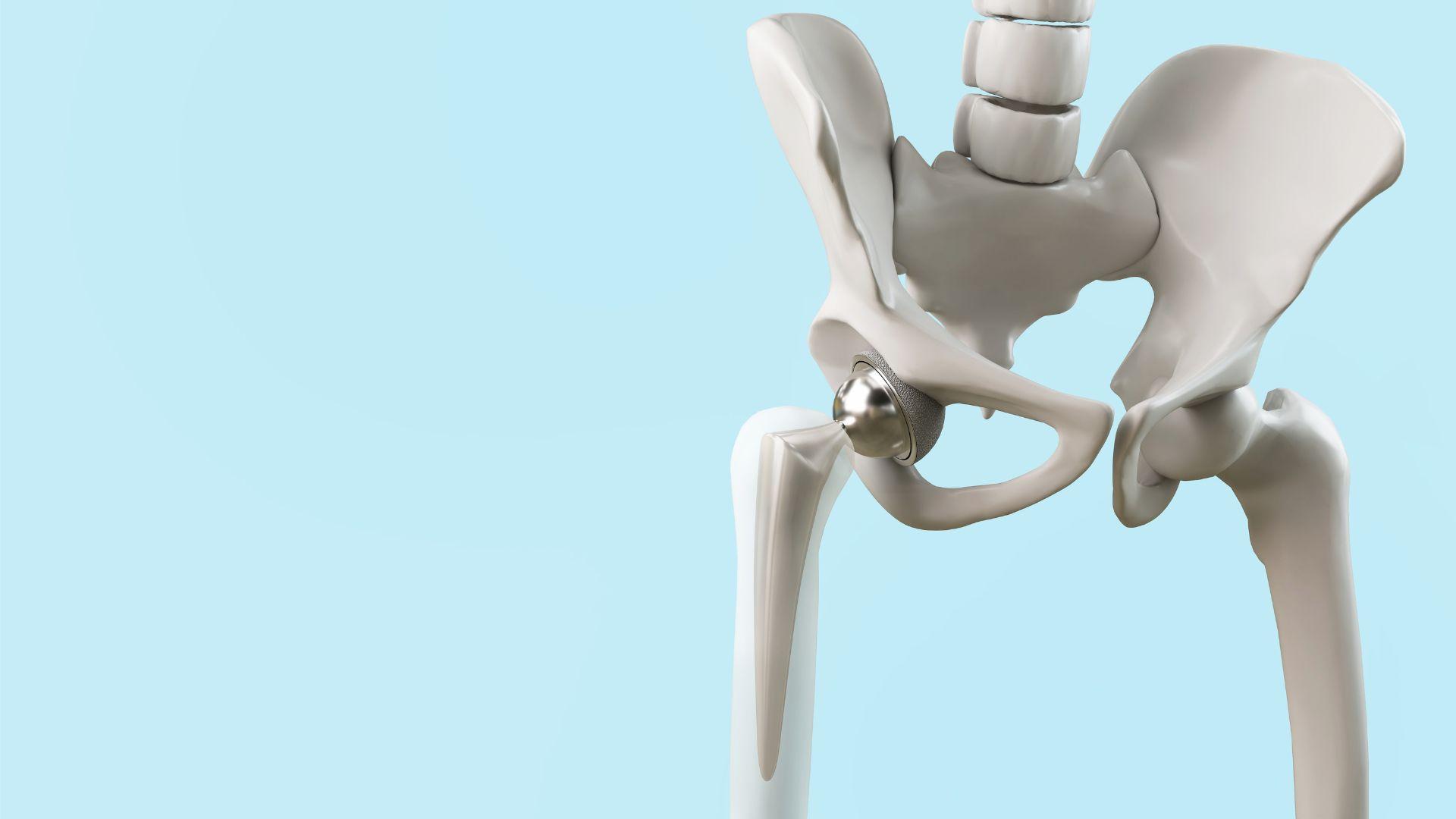
The hip joint is a large ball and socket joint. The cup side of the joint is known as the acetabulum and the ball side as the head of femur. Total hip replacement consists of acetabulum cup, ball head and femoral stem. They are usually made of metal alloy, polyethylene or ceramic. If one or both of your hip joints are damaged, your doctor may recommend you to have this operation.

Service Locations
Icon Back To Top